

You Don’t Need More Motivation—You Need More Investment

In my garage, you’ll find a museum of half-finished projects.
Things I was once inspired to complete on a free afternoon… but then lost steam or ran out of time. It would probably be best to clear out the clutter—but my brain won’t let me.
Why? Because of the time and money I’ve already invested.
This is a cognitive bias called the sunk cost fallacy, where people make decisions based on what they’ve already invested rather than what actually makes sense right now.
And it shows up everywhere.
I’ve got Audible credits piling up.
I’ve eaten a wilted salad just to avoid wasting it.
I even sat through the entire Barbie movie because of a $12 ticket.
Can I get an amen?
Why This Matters for Your Health
Here’s where things get interesting.
This same bias that keeps junk in your garage can also be used to your advantage. Because as we've covered, when you invest in something you become tied to it.
You can get a gym membership for $10 a month. But when you pay $150 you’re far more likely to show up.
(The entire low-cost gym business model depends on this.)
Putting Skin in the Game
If you want to be more consistent with your health, create investment:
- Sign up for a race or competition
- Pay for a structured training program
- Book a trip with a physical challenge (like hiking a 14er)
- Buy new workout gear
- Subscribe to a meal service
It's not a guarantee that you'll never miss, but it does put some skin in the game for the days you lack the motivation.
Why This Works in Rehab
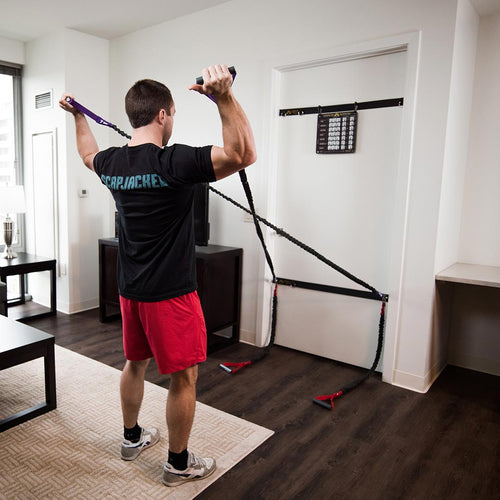
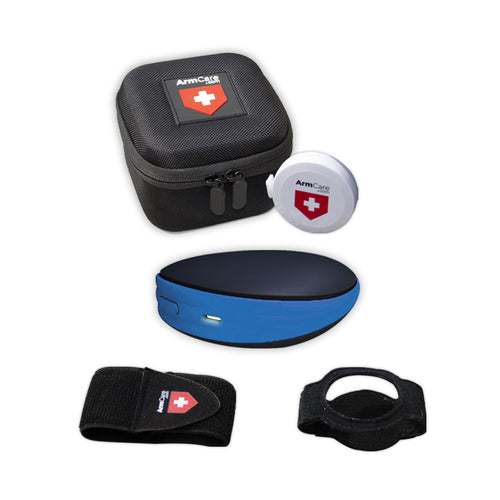
Similarly, it's one of the reasons why I believe Crossover Symmetry is so successful in helping people with their rehab.
There are several reasons why our program is so successful for treating shoulder pain compared to the free strip of Theraband or YouTube Shoulder Pain Plan.
But one of the big ones is that people are invested.
Sure, the sunk cost fallacy can lead to irrational decision-making, but it can also foster a commitment to something good.