

What MRIs Get Wrong About Pain

I received an email today that would make most physical therapists scream.
“My ortho said it’s the worst shoulder he’s ever seen. It’s basically bone-on-bone, the joint is ground down with lots of degeneration.”
The problem is that if you’ve got an injury, this type of thinking really kills the healing vibes.
The words paint a picture of a fragile body that has no hope of recovery, which is more than just semantics. It impacts the course of rehab.
Some would argue that the surgeon here is aiming to increase their income by performing more surgeries.
But I’m much less cynical. I believe the doctor is actually trying to connect with the patient and convey that this pain is valid. I also assume that, despite their extensive training, pain science and rehabilitation aren't in their wheelhouse.
Here’s why it matters and how to change the script for the better.
'Bone on Bone': Why Words Matter More Than Your MRI
Negative, threat-heavy language (“worst ever,” “ground down,” “bone on bone”) amplifies pain and hurts outcomes via the nocebo effect.
I’ve written about this before here, but the brief summary is that a placebo plays with the brain in a positive way, whereas a nocebo creates negative beliefs.
If a clinician (especially with the authority of a doctor) frames a condition as “you’re ruined” or instills an expectation of pain, it shows heightened pain and reduces treatment response.
Scans ≠ Symptoms
Imaging often shows “degeneration” in people who feel fine.
Specifically for shoulders, asymptomatic rotator cuff tears and bony changes are common and increase with age. Finding “wear and tear” on a scan doesn’t prove it’s the pain source, and the severity on images correlates poorly with pain and function.
Basically, wrinkles on an MRI are as normal as getting grey hairs. It’s just a natural process that occurs with aging. They don’t automatically explain pain or dictate your ceiling.
Fuel for Fear & Avoidance
When a shoulder is framed as “the worst,” people protect it.
They avoid activity, brace up, and stop loading. That fear-avoidance loop projects worse disability and slower recovery across all musculoskeletal conditions.
Essentially, if you convince people they’re “fragile,” then they will behave as if they’re fragile, leading to a continued decline in strength, mobility, and function.
However, when people are treated as “adaptable,” their resilience goes up.
Graded Exercise Works
For rotator cuff–related shoulder pain and arthritis in general, therapeutic exercise is the first-line treatment.
Strengthening, range-of-motion exercises, and progressive loading can improve pain and function, even when imaging reveals “degeneration.”
Expect some discomfort, especially in the early stages, but with consistent effort, your pain will gradually improve.
A Better Message
If your current outlook is…
“Bone on bone”
“Worst shoulder I’ve seen”
“It’s ground down”
“Shoulder of an 80-year-old”
“I’ll make it worse”
I encourage you to flip the script and replace it with…
“My scan shows age-related changes that are common—even in people without pain.”
“I’ve got increased sensitivity, but I’m not broken, and can adapt with time and graded exposure.”
“I can rebuild strength and mobility with gradual loading. Some soreness is expected and safe.”
“Progress looks like doing a little more, a little better, a little stronger each week.”
A more helpful message that would impact the potential for rehabilitation would be:
“Your MRI shows some age-related changes that are normal. But you’ve got good muscle and tendon health, and with a progressive plan to build tolerance, you can likely get back to heavy lifting with some modifications. If things don’t improve with consistent work, we can look into other options…”
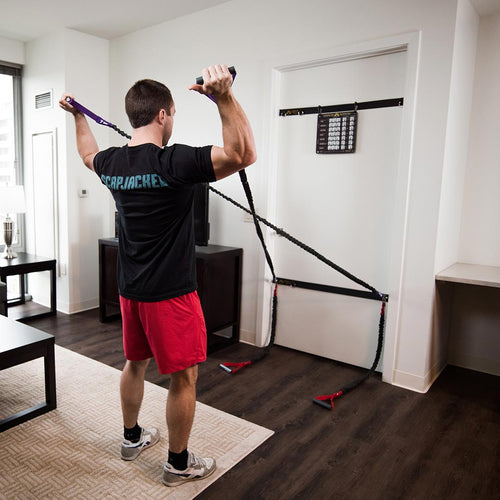
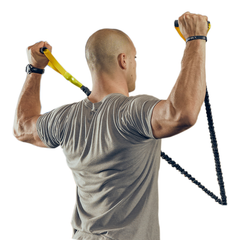
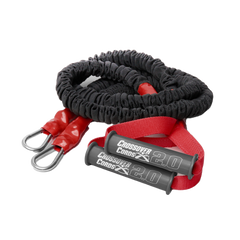
“Oh yeah! And check out this program by Crossover Symmetry!”
Instead of “you’re screwed,” this message says your condition is safe, normal, and here is a plan of attack!”
Originally published as Movement #277